


By Aravind Mali | July 8, 2025
Trump’s PSLF Shake-Up: A Risk to Loan Forgiveness for Student Loans?
Imagine dedicating a decade of your life to serving your community—teaching in underserved schools, treating patients in public hospitals, or helping immigrants find legal aid—only to find that your student loans forgiveness is suddenly out of reach.
That’s the stark possibility facing many Americans today, as former President Donald Trump pushes a plan to overhaul the Public Service Loan Forgiveness (PSLF) program. The proposal, which targets what Trump labels “activist organizations,” could reshape how—and to whom—loan forgiveness student loans is granted.
In this post, we’ll break down what PSLF is, what changes are being proposed, who could be affected, and why experts and advocates are sounding the alarm. We’ll also explore what this means for the future of student loans in America.

What is PSLF and Why Was It Created?
Let’s start at the beginning.
The Public Service Loan Forgiveness (PSLF) program was launched in 2007 with a simple goal: encourage college graduates to take up jobs in public service. This includes roles like government employees, nonprofit workers, teachers, nurses, social workers, and more.
Under PSLF, if you make 120 qualifying payments (i.e., 10 years’ worth) while working for an eligible employer, the remaining balance on your student loans is forgiven. It’s a powerful incentive, especially given how expensive higher education has become in the U.S.
This program has helped over a million borrowers—from park rangers to professors—get relief from crushing student loan debt.
The Trump Administration’s New Proposal
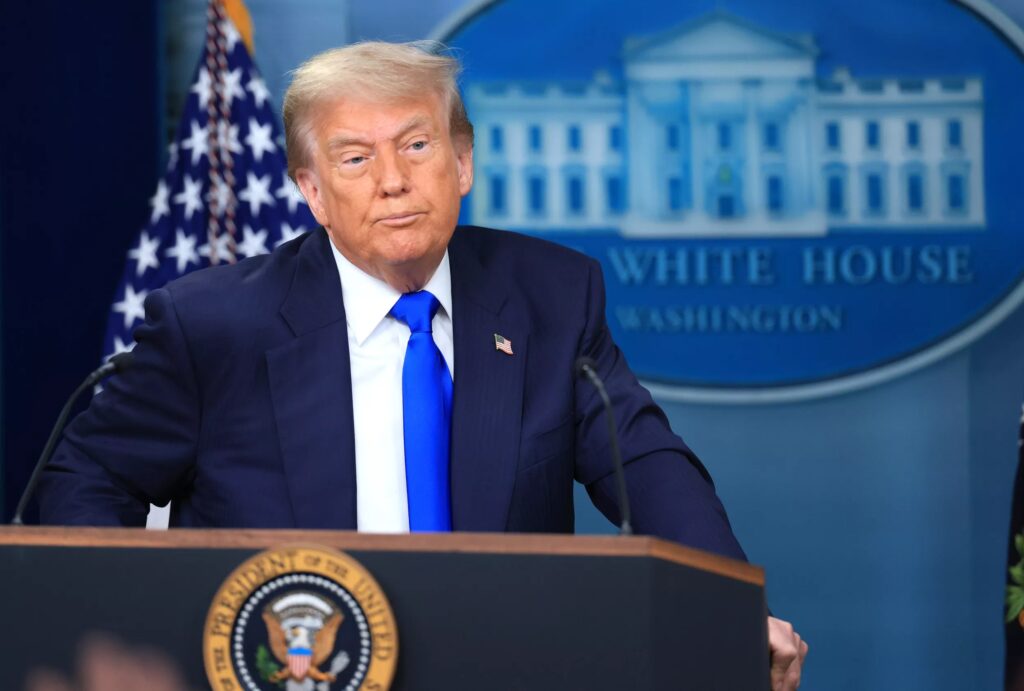
In March 2025, Trump issued a directive calling for sweeping changes to the PSLF program. He claimed that taxpayer money was being funneled into “activist organizations” that threaten national security.
His proposed overhaul aims to:
- Strip loan forgiveness student loans benefits from organizations engaged in what the administration calls “illegal activities”
- Grant the U.S. Education Secretary broad power to determine which employers are eligible
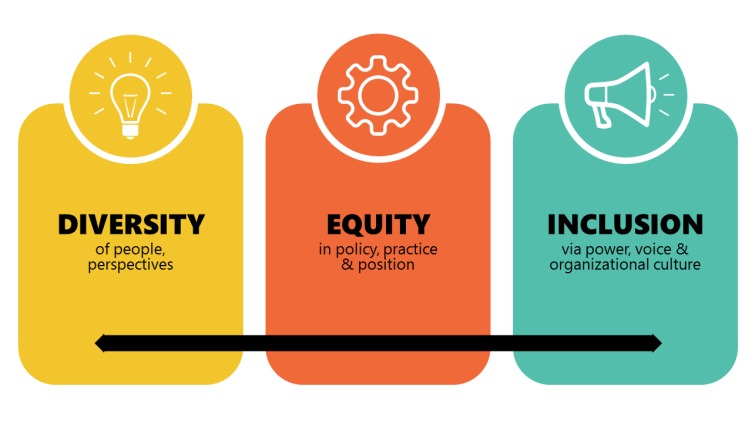
- Remove nonprofits from eligibility if they are involved in immigration support, transgender healthcare, or diversity, equity, and inclusion (DEI) policies
- Use vague definitions of “illegal activity” to enforce the rule

What Counts as “Illegal Activity”?
This is where things get murky—and alarming.
According to a draft proposal released by the Education Department, “illegal activity” includes:
- Assisting undocumented immigrants
- Providing gender-affirming healthcare (including hormone therapy or puberty blockers) to individuals under 19
- Supporting organizations labeled as foreign terrorist groups
- Violating civil rights laws (in a way Trump’s team interprets them)
Even more concerning, the rule allows the Education Department to disqualify an organization without any court conviction or legal ruling. It can rely on internal assessments, reports, or even media coverage.
This kind of broad and subjective authority has sparked fears of political targeting.
Who Could Be Affected?
Tens of thousands—maybe millions—of borrowers.
If this rule goes into effect, anyone working for an ineligible employer will be kicked out of the PSLF pipeline. That means:
- No more qualifying payments
- No progress toward forgiveness
- A need to change jobs to stay eligible
And it’s not just small nonprofits. Here’s who could be affected:
- Entire hospital systems that offer gender-affirming care to transgender youth
- Cities or school districts that provide sanctuary to immigrants
- Colleges and universities promoting DEI policies
- Legal aid nonprofits helping immigrants
Basically, if your employer does something Trump doesn’t like, your student loans forgiveness could be in danger.
Why Experts and Advocates Are Worried
Many experts are ringing alarm bells over this proposal.
1. Political Weaponization
Betsy Mayotte, president of The Institute of Student Loan Advisors, said the policy “definitely seems politically motivated” and could be used for punishing organizations based on ideology.
By tying loan forgiveness to political compliance, the administration may be turning PSLF into a tool of retribution rather than a path to relief.
2. Subjective Enforcement
Since the Education Secretary can deny PSLF eligibility without a legal ruling, the potential for biased or inconsistent decisions is high.
Alyssa Dobson, a member of the federal rulemaking panel, warned this could allow the administration to “chase undesirable institutions” based on politics—not actual law-breaking.
3. Impact on Critical Workforce Shortages
Emeka Oguh, CEO of PeopleJoy (which helps employers with student loan benefits), noted the rule could worsen America’s doctor and nurse shortages.
Imagine a hospital losing PSLF eligibility just because one department provides gender-affirming care. The whole system—and all its employees—would be penalized.
Hidden Dangers: Paperwork and Certification Risks
Another big red flag in the proposal is the requirement that employers must certify they do not engage in illegal activity.
Sounds simple, right? Not quite.
If an employer forgets to file the paperwork, makes a clerical mistake, or declines to sign due to legal ambiguity, the borrower’s PSLF status could be in jeopardy—even if they’ve made years of qualifying payments.
That’s a huge risk for everyday public servants who may lose forgiveness over something totally out of their control.
A Political Bombshell for 2026?
The proposal is now undergoing review and a public comment period, with implementation expected in July 2026.
That timeline puts it right in the crosshairs of the 2026 midterm elections, making PSLF a hot-button political issue. It’s likely to dominate debates around:
- Government overreach
- Education policy
- LGBTQ+ rights
- Immigration
- The future of student loans
What Can You Do If You’re a Borrower?
If you’re currently relying on pslf student loans to get relief, here’s what you should do now:
✅ 1. Stay Updated
Follow news from the U.S. Department of Education, and organizations like the Student Borrower Protection Center or TISLA.
✅ 2. Double Check Employer Eligibility
Use the federal PSLF Help Tool to ensure your employer is currently eligible.
✅ 3. Submit Your Employer Certification Annually
Make sure your paperwork is up-to-date every year.
✅ 4. Participate in Public Comment
When the formal proposal is released, submit your opinion during the public comment period. Thousands of voices can influence final decisions.
✅ 5. Call Your Representatives
If you disagree with the proposed changes, reach out to your state and federal lawmakers. Lawmakers do listen—especially in election years.
Final Thoughts: Is This the End of PSLF?
The PSLF program has always been a lifeline for Americans choosing passion over profit. Whether it’s a school counselor in Detroit or a legal aid worker in Texas, these professionals trade high salaries for high impact.
But this new proposal could turn that lifeline into a political landmine. By weaponizing definitions of “illegal activity,” the Trump administration risks turning student loans forgiveness into a battleground for ideology—not a solution for debt.
The stakes couldn’t be higher. If the proposal moves forward as written, it could erase hope for countless borrowers, hurt vulnerable communities, and deepen divisions in America’s public service workforce.
As a country, we need to ask ourselves: Do we really want to punish those who serve us—just because of where they work?
Key Takeaways
- PSLF allows forgiveness after 10 years of public/nonprofit work.
- Trump’s proposal could disqualify employers based on immigration, DEI, or LGBTQ+ policies.
- Millions of borrowers could lose eligibility for loan forgiveness student loans.
- The rule grants broad, subjective power to the Education Secretary.
- The change may take effect in July 2026, pending public comment.
- Advocates urge borrowers to stay vigilant, speak out, and prepare.
For millions of Americans buried under the weight of student loans, the Public Service Loan Forgiveness (PSLF) program has been a critical path to relief. Designed to support those in public service roles, the program offers loan forgiveness student loans after a decade of qualified payments. This promise of student loans forgiveness has encouraged countless teachers, nurses, and nonprofit workers to dedicate their lives to serving others. But now, with Trump’s proposed overhaul of pslf student loans rules, many fear that this vital lifeline may soon be out of reach for those who need it most.