



Ever had a late-night cheese snack and then woke up mid-dream in a cold sweat?
Well, you’re not alone. A new psychological study just dropped some spicy (or should we say creamy?) truths about how what we eat affects how we sleep — and what we dream.
What’s the Deal With Food and Dreams?
According to a recent study published in the Frontiers in Psychology journal, over 40% of young adults believe certain food habits affect how they sleep. The researchers collected data from 1,082 college students, who shared how their late-night cravings — whether it was milk, sweets, or spicy snacks — impacted their sleep and dreams. dairy and dreams

And the results? Let’s just say, dairy might not be your dream’s best friend dairy and dreams
Dairy, Desserts & Disturbed Dreams
Here’s where it gets real. The study found dairy and dreams
- 25% of participants said specific food groups worsened their sleep
- *20% said certain foods helped them sleep better
- Desserts, sweets, spicy food, and dairy (like milk, cheese, yogurt) were the most commonly reported sleep disruptors
- Fruits, veggies, and herbal teas got the most love for improving sleep quality
But it wasn’t just about falling asleep — it was about what happens during sleep, too.
Can Food Really Mess With Your Dreams?
Apparently, yes.
Around 5.5% of the students said their dreams were influenced by what they ate. Among them:
- 31% blamed desserts and sweets for nightmares
- 22% pointed fingers at dairy
So, if you’re dreaming about falling from a giant cheesecake into a pit of yogurt demons… now you know why dairy and dreams
What’s the Science Behind It?

Now, before we all cancel dairy forever, let’s be clear — the study doesn’t claim food definitely causes weird dreams. It’s more about self-reported experiences dairy and dreams
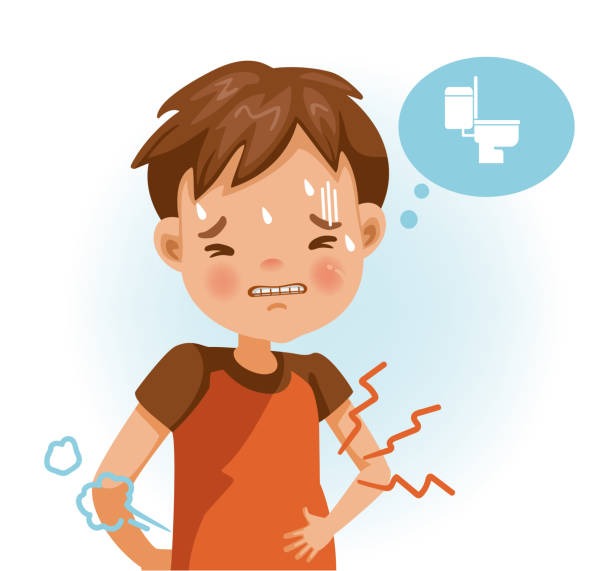
That said, the researchers did suggest that for people who are lactose intolerant, eating dairy might lead to gastrointestinal discomfort — like bloating, gas, or cramps — which could interrupt sleep and affect dreams.
Basically, if your stomach’s partying while you’re trying to rest, your brain might get dragged into the chaos.
But Wait – Who Were These People?
Here’s something to keep in mind: the survey group was made up of university psychology students, so:
- They might’ve already been familiar with topics related to sleep and food
- That could influence how they interpreted or described their dreams
- Self-reporting always comes with some bias dairy and dreams
So while it’s fascinating, it’s not 100% hard science — more like a strong “hmm, maybe I should skip that milkshake before bed.”
Which Foods Help You Sleep Better?
Not all foods are the villains here. Some items actually showed positive effects on sleep quality:
✅ Herbal teas (especially chamomile)
✅ Fruits (like bananas, which contain sleep-supportive magnesium)
✅ Vegetables
✅ Complex carbs (like oats)
So if you’re tossing and turning every night, maybe try swapping your bedtime snacks for something lighter and plant-based.
Should You Quit Dairy?
Not necessarily. Dairy isn’t bad for everyone. But if you:
- Wake up with stomach pain
- Get frequent nightmares
- Or feel super unrested even after a full night’s sleep
…try cutting out late-night cheese or milk for a few days. Then watch what happens. Your dreams might just get a lot more peaceful dairy and dreams
Final Thoughts: Listen to Your Body
There’s no one-size-fits-all answer when it comes to food and sleep. But this study shows that your gut might be talking to your brain while you sleep — and if it’s upset, your dreams could turn into nightmares.
So next time you crave that midnight pizza slice or bowl of ice cream, just ask yourself:
“Do I want flavor now… or rest later?”
Choose wisely. Sweet dreams (hopefully)!