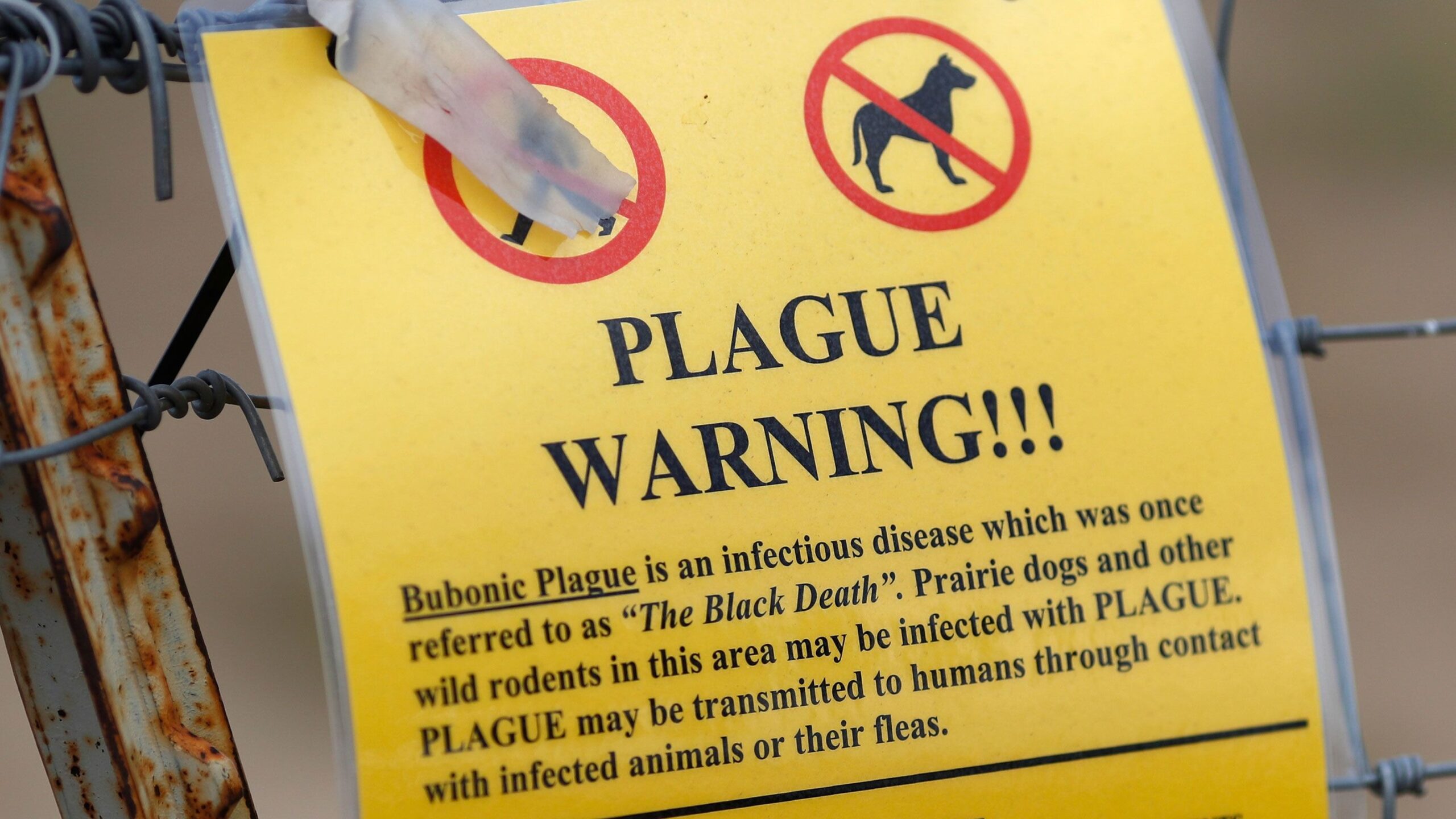
A Northern Arizona resident has died from pneumonic plague—the deadliest form of plague. Learn how it’s spread, symptoms, and ways to protect yourself and your pets bubonic plague
A resident of Northern Arizona has died from pneumonic plague, health officials confirmed Friday. The case was reported in Coconino County, home to Flagstaff, and it’s the first death from pneumonic plague in the area since 2007.
Authorities haven’t released the person’s name or any personal details, but the incident has reignited questions—and concern—about how something like the plague still exists in the modern world.
🧬 Wait… The Plague Is Still Around?
Yes. The same deadly infection that swept across Europe centuries ago, killing tens of millions during the Black Death, still exists today—though thankfully, it’s much less common now bubonic plague
But it’s not gone.
There are actually three types of plague:
- Bubonic plague – affects the lymph nodes (this is the most well-known type)
- Septicemic plague – spreads through the bloodstream
- Pneumonic plague – infects the lungs (and this one’s the most dangerous)
The Arizona resident died from pneumonic plague, which is more contagious and more deadly than the others. If left untreated, it can be fatal within days—or even hours.
🐀 How Does Someone Even Get the Plague?
It all starts with fleas. Yes, fleas.
The bacteria that causes plague—Yersinia pestis—spreads naturally among rodents like rats and prairie dogs. Infected fleas bite the rodents, then hop onto pets or humans, carrying the bacteria with them.
You can also catch plague by:
- Handling a sick or dead animal
- Getting bitten by an infected flea
- Breathing in airborne droplets if someone already has pneumonic plague
That last one? That’s what makes pneumonic plague especially scary—it can spread from person to person through coughing or sneezing, just like the flu or COVID bubonic plague
📍 Where Does the Plague Still Show Up?
The plague doesn’t strike often, but when it does, it’s usually in the rural western U.S.
According to the CDC, most cases in recent years have been reported in bubonic plague
- Northern Arizona
- Northern New Mexico
- Southern Colorado
- Parts of California, Oregon, and Nevada
On average, only about 7 human cases are reported each year in the U.S.—which is rare, but not zero.
The recent case in Coconino County is a sobering reminder that the risk hasn’t vanished bubonic plague
🩺 Can It Be Treated?
Yes—and that’s the silver lining.
Unlike in the Middle Ages, plague is treatable today with antibiotics. But here’s the catch: you have to act fast. Pneumonic plague moves quickly. If treatment is delayed, it can be fatal.
That’s why recognizing symptoms early is key bubonic plague
Common symptoms of pneumonic plague include:
- Sudden fever and chills
- Severe cough or chest pain
- Shortness of breath
- Feeling very weak or sick
- Bloody or watery mucus
If you or someone you know has these symptoms and has been in a plague-prone area, especially around wild rodents or sick animals—go to a doctor right away.
🐾 How to Stay Safe (for You and Your Pets)
If you live in or are visiting the rural Southwest, a few simple steps can help keep you and your pets protected:
- Keep pets indoors, or make sure they’re on flea prevention
- Don’t let your animals roam around prairie dog colonies
- Avoid handling dead or sick animals, especially rodents
- Use insect repellent when you’re outdoors
- Watch for unusual die-offs of prairie dogs or squirrels and report them to local authorities
And if your dog or cat suddenly gets sick after being outside—get them checked out fast. Pets can bring the infection home
🧾 Final Thoughts
This isn’t meant to scare you—but it’s a good reminder that nature doesn’t follow the calendar. Just because a disease sounds ancient doesn’t mean it’s gone for good.
We have the tools to treat the plague now. But awareness, caution, and early action still matter—especially in places where the disease has been known to show up bubonic plague
Our hearts go out to the family who lost a loved one in Arizona. And hopefully, their story helps prevent another.
What is the plague? The plague is a serious infectious disease caused by the Yersinia pestis bacteria, which has existed for centuries and is most famously known for triggering the bubonic plague that devastated Europe in the 14th century. Today, the bubonic plague still appears in rare cases, including recent incidents like the bubonic plague death in Arizona in 2025. While often confused with pneumonic plague, which infects the lungs, or septicemic plague, which affects the blood, the bubonic plague primarily targets the lymph nodes and is spread through infected fleas.
Despite its historic reputation, the plague is still around in modern times, especially in rural parts of the western U.S. Reports of plague in Arizona have surfaced before, and the recent Arizona plague death has sparked renewed attention in 2025. Knowing the symptoms and understanding how bubonic plague in Arizona spreads is key to preventing future outbreaks and protecting public health.