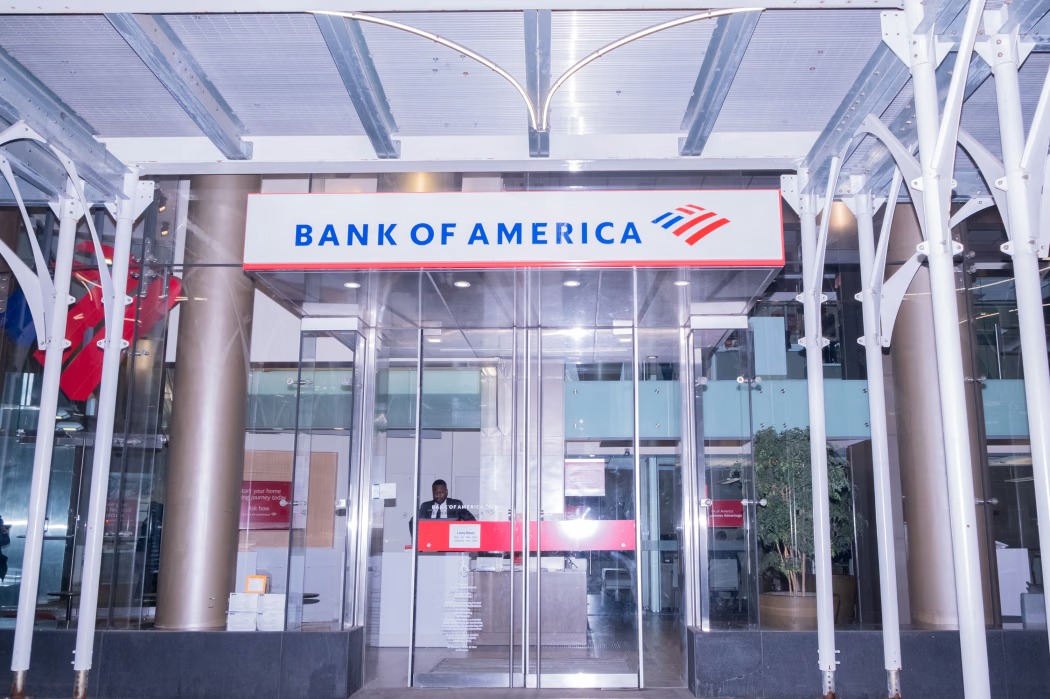
Americans Are Fleeing Traditional Banks
In 2025, Americans are increasingly fleeing traditional bank accounts in favor of higher-yielding investment options. Learn how this cash shift is shaping the U.S. economy and consumer behavior Americans Are Fleeing Traditional Banks
In a surprising economic twist, millions of Americans are pulling their money out of traditional checking and savings accounts—not because they’re spending it recklessly, but because they’re getting smarter about where they store it. Americans Are Fleeing Traditional Banks
A new study by the JPMorgan Chase Institute has revealed a major shift in how U.S. households are managing their cash. The findings shed light on a growing financial strategy among Americans who are increasingly choosing brokerage accounts, money market funds, and certificates of deposit (CDs) over conventional savings accounts.
This shift is quietly reshaping the U.S. economy and offers a possible explanation for a mystery that has puzzled economists: How has consumer spending remained so resilient in 2025 despite persistent inflation and economic uncertainty?
Traditional Bank Accounts Fall Out of Favor
The research, which analyzed data from 4.7 million households, found that while checking and savings balances have stagnated—even when adjusted for inflation—total cash reserves are growing Americans Are Fleeing Traditional Banks
Why? Because people are simply moving their money elsewhere. These “elsewheres” are higher-yield investment vehicles that offer better interest rates than traditional bank accounts, especially in today’s high-rate Americans Are Fleeing Traditional Banks environment.
“Families across many income bands are now seeing a turnaround in their total cash,” said Chris Wheat, president of the JPMorgan Chase Institute Americans Are Fleeing Traditional Banks
High-Yield Hunting: Americans Want Better Returns
With interest rates still elevated in 2025 after multiple rate hikes by the Federal Reserve in recent years, Americans are no longer content earning less than 1% on their savings Americans Are Fleeing Traditional Banks
Instead, they’re turning to:
- Money market accounts, which currently offer 4.5–5.5% yields,
- Short-term Treasury ETFs and CDs with similar returns, and
- Brokerage accounts used more as modern-day savings tools than for stock market speculation.
“Consumers are not necessarily investing for the long term—they’re simply managing their liquid cash more efficiently,” Wheat explained.
This reflects a growing financial awareness across all income groups. Rather than leaving their money idle, Americans are learning to use higher-interest financial tools as temporary parking spots for their cash Americans Are Fleeing Traditional Banks
The Rich and the Working Class Are Both in the Game
What makes this trend particularly noteworthy is that it’s not just the wealthy who are making these moves.
According to the study:
- Households earning less than $35,000 annually saw their total cash reserves grow 5–6% over the past year.
- In contrast, those in the top income bracket had median checking and savings balances over $8,000, while lower-income groups had just over $1,000.
While the disparities remain wide, the behavior is similar: people across the board are seeking higher yields and learning to better manage their cash.
This Could Explain a Key Economic Puzzle
For much of the past year, economists were puzzled by one question:
Why is consumer spending so strong when inflation has eaten into savings and wages haven’t kept up?
The answer may lie in this shift. While it appears that Americans have less in the bank, their total accessible cash is actually growing—just not in traditional accounts.
The rise of digital banking tools and financial apps has made it easier than ever to move money between accounts, helping consumers stay liquid while earning better returns.
This change in behavior masks the real picture of household finances, and policymakers may need to reconsider how they evaluate consumer health in this new environment.
But Is This Trend Here to Stay?
Despite the encouraging signs, Wheat warns the trend may not be permanent.
“It’s still too early to tell whether this shift will become the new normal or is just a temporary reaction to current economic conditions,” he said.
Several factors could influence the future of this behavior:
- If interest rates fall, the incentive to use high-yield alternatives could decline.
- A market downturn or economic shock might drive people back to the safety of traditional bank accounts.
- Regulatory changes could also affect how easily consumers can access or move their funds.
Still, the rise of financial literacy and tech-driven personal finance tools suggests that many Americans have become more strategic with their money—and that may not fade easily.
What This Means for Banks and the Broader Economy
For traditional banks, this trend poses a challenge. With customers pulling funds out, banks may struggle to maintain liquidity and profitability. They may need to raise interest rates on savings accounts or offer new products to compete with fintech and investment platforms.
For the U.S. economy, the shift indicates a deeper transformation in consumer behavior—one that is likely to persist even in times of volatility. This increased agility in cash management may help stabilize spending, prevent financial shocks, and create a more informed class of savers.
Final Thoughts
What we’re witnessing is a subtle yet powerful shift: Americans are no longer passive savers. They’re becoming active managers of their cash, constantly seeking better returns and adapting to economic changes in real-time.
In 2025, this evolution in financial habits could redefine how we measure economic strength, consumer resilience, and even bank performance.
Whether this movement continues or not, one thing is clear: the average American is becoming a smarter saver—and that’s a trend worth watching.