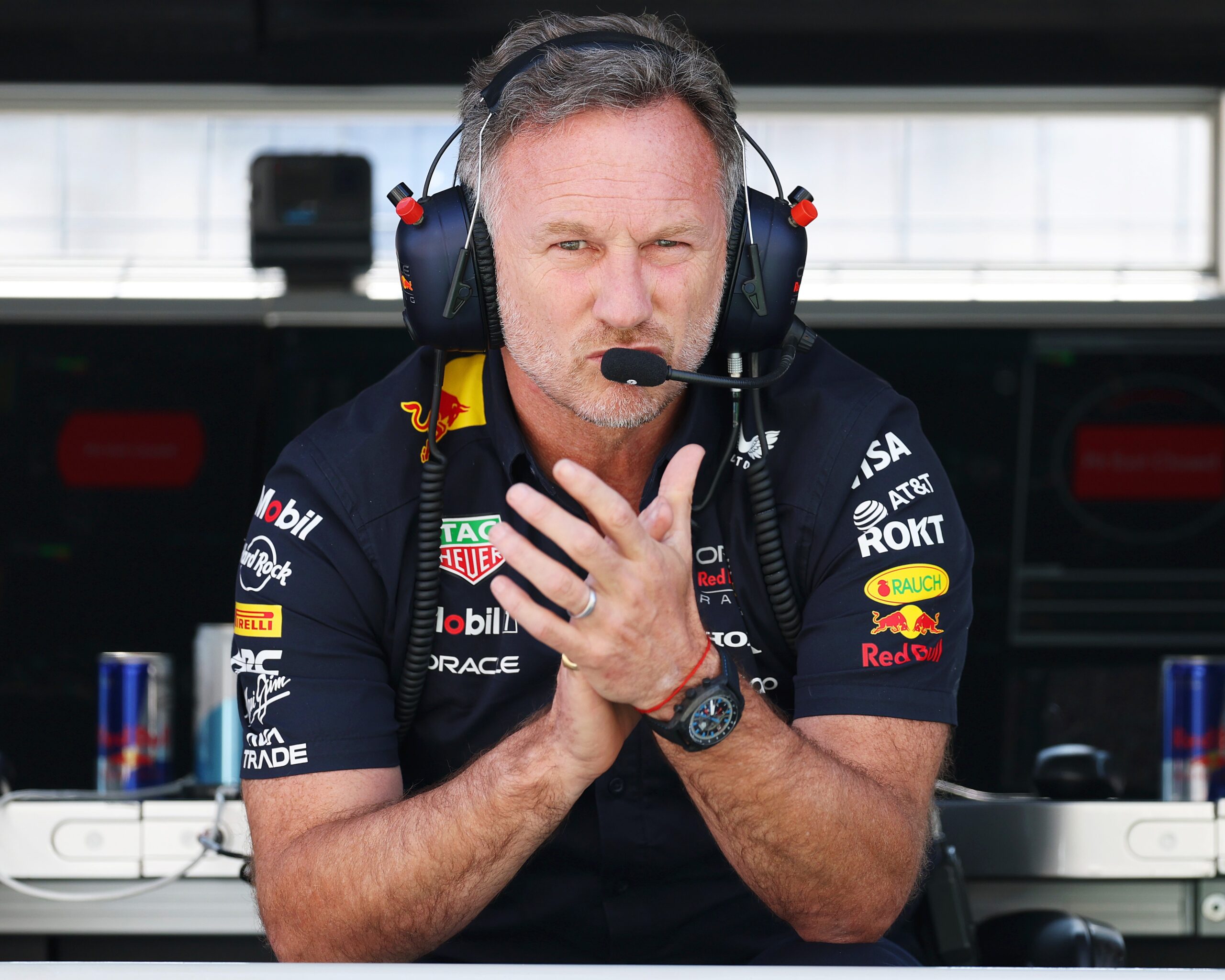
Christian Horner Red Bull shock exit has sent ripples across the Formula 1 world, marking both the end of an era and the beginning of deep uncertainty for the once-dominant racing team. This unprecedented move leaves fans and experts alike asking: what led to the sudden departure of the man who built Red Bull Racing into an F1 powerhouse?
The Legacy of Christian Horner Red Bull Built

Christian Horner has been synonymous with Red Bull Racing since its formation in 2005. From humble beginnings, he transformed the team from a struggling outfit into one of the most successful in Formula 1 history. Under his leadership, Red Bull has won 124 race victories, six constructors’ championships, and eight drivers’ titles.
Horner embraced a unique team culture, famously saying, “We are different at Red Bull. You won’t see anyone in a suit and tie here, it’s more jeans and T-shirt.” This laid-back but determined approach challenged the traditional F1 norms and helped attract talent.
Why Christian Horner Red Bull Departure Feels Both Sudden and Inevitable
Despite his successes, the past two years at Red Bull have been turbulent for Christian Horner Red Bull. A series of internal conflicts, controversial allegations, and leadership challenges created a “ticking time bomb” atmosphere. Even Red Bull employees were unaware of the dismissal until Horner personally said goodbye at the Milton Keynes factory.
The relationship between Horner and other key figures—especially Max Verstappen and his father, Jos Verstappen—deteriorated sharply. Verstappen’s camp reportedly pushed for Horner’s removal, signaling a shift in power dynamics within the team.
Christian Horner Red Bull Relationship with Verstappen at the Core of the Conflict
Max Verstappen, a four-time world champion, has become the centerpiece of Red Bull’s strategy and future ambitions. His dissatisfaction with recent car performances and team instability played a critical role in the decision to part ways with Horner.
Rumors suggest that Red Bull’s leadership prioritized keeping Verstappen — possibly at all costs — amid growing interest from Mercedes. The move to remove Horner may have been an attempt to placate Verstappen and his family, or to signal a fresh start ahead of major regulation changes in 2026.
Red Bull Racing’s Challenges Post-Horner
With Christian Horner Red Bull no longer at the helm, Red Bull faces a daunting road ahead. Key technical personnel have also departed recently, including legendary designer Adrian Newey and chief engineering officer Rob Marshall. These losses coincide with Red Bull falling behind competitors like McLaren in car performance.
Moreover, Red Bull’s decision to develop its own engines from 2026, rather than relying on Honda, adds a layer of complexity and uncertainty. Industry experts believe Mercedes currently holds an advantage in this arena.
In a stunning development that’s dominating F1 news, Christian Horner, longtime boss of Red Bull Racing, has been fired, sending shockwaves through the Red Bull F1 and Redbull Racing communities. Fans are still asking, why did Christian Horner leave Red Bull and why was Christian Horner fired? Rumors involving leaked Christian Horner texts, internal power struggles with Chalerm Yoovidhya, and pressure from the Verstappen camp suggest complex reasons behind the move.
The situation also raises questions like why is Christian Horner leaving Red Bull and what this means for the future of Redbull F1. With Laurent Mekies and Alan Permane both being mentioned in the paddock, speculation about Horner’s replacement is heating up.
The departure has also brought renewed focus to Horner’s high-profile marriage to Geri Halliwell, his role in shaping Red Bull Christian Horner success, and the impact of losing key figures like Adrian Newey. As for the financial side, searches for Christian Horner net worth have spiked, along with interest in the legacy of Horner Red Bull leadership and what it means for the brand’s global dominance. In short, Christian Horner leaving Red Bull could mark the end of an era for Redbull both on and off the track.